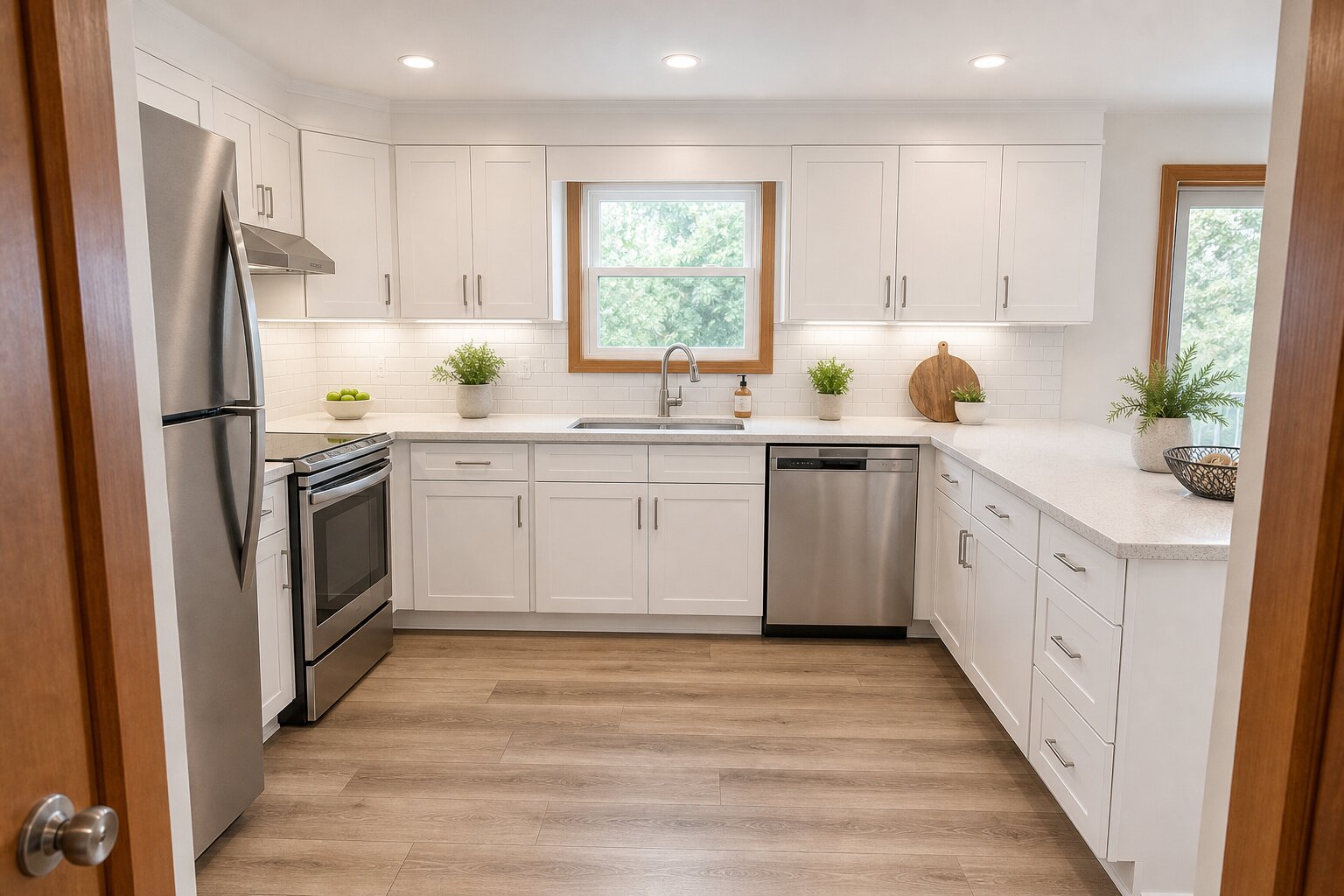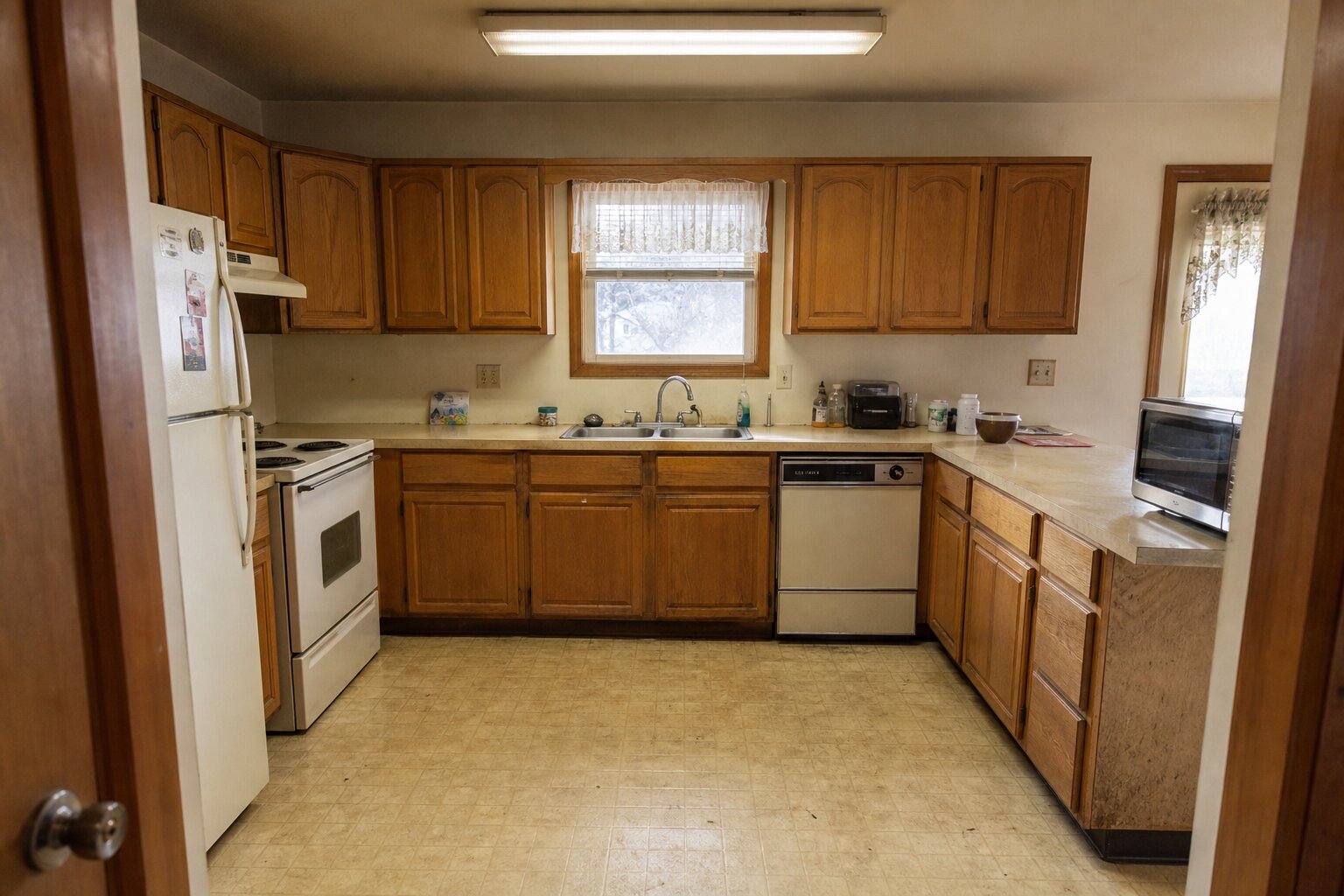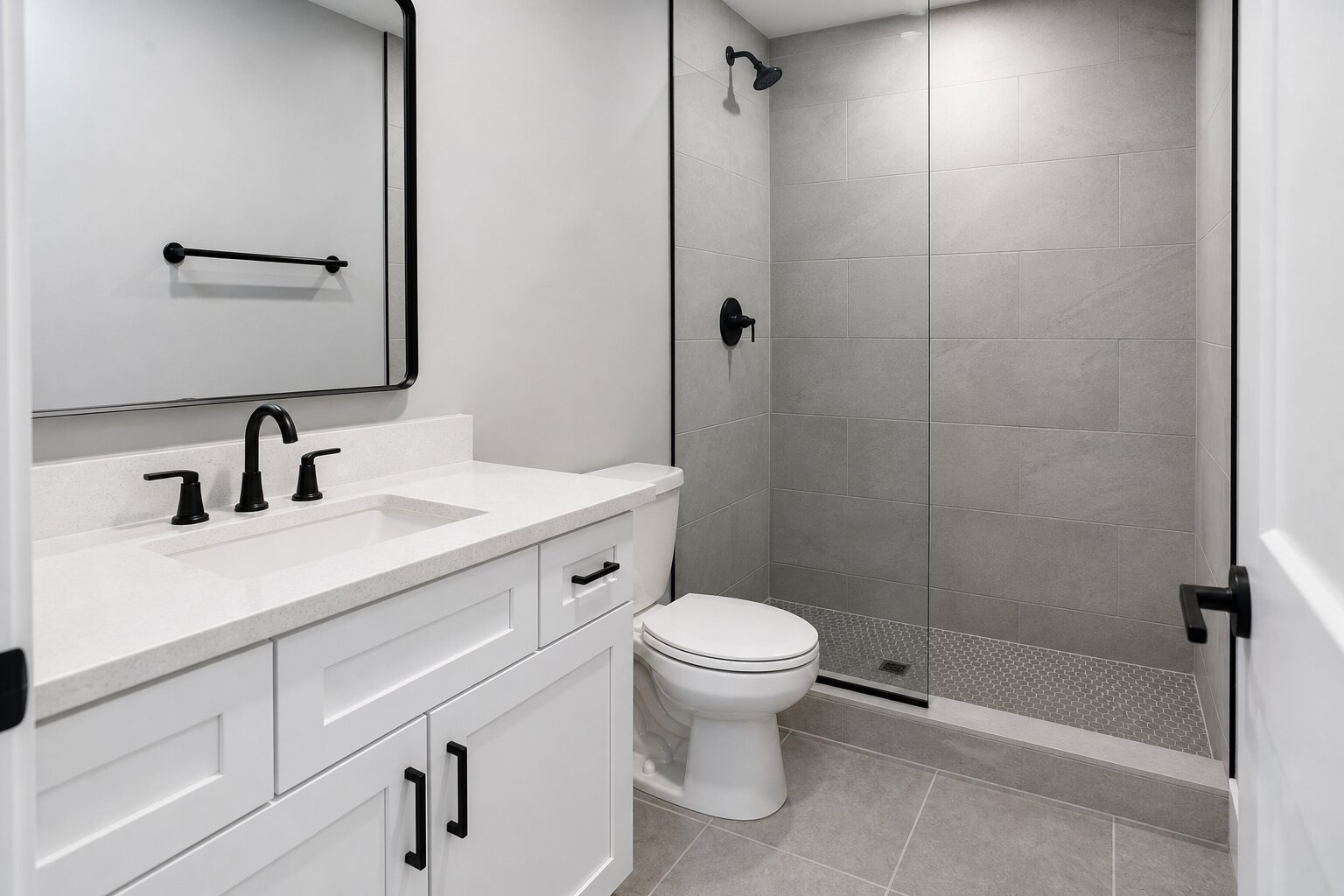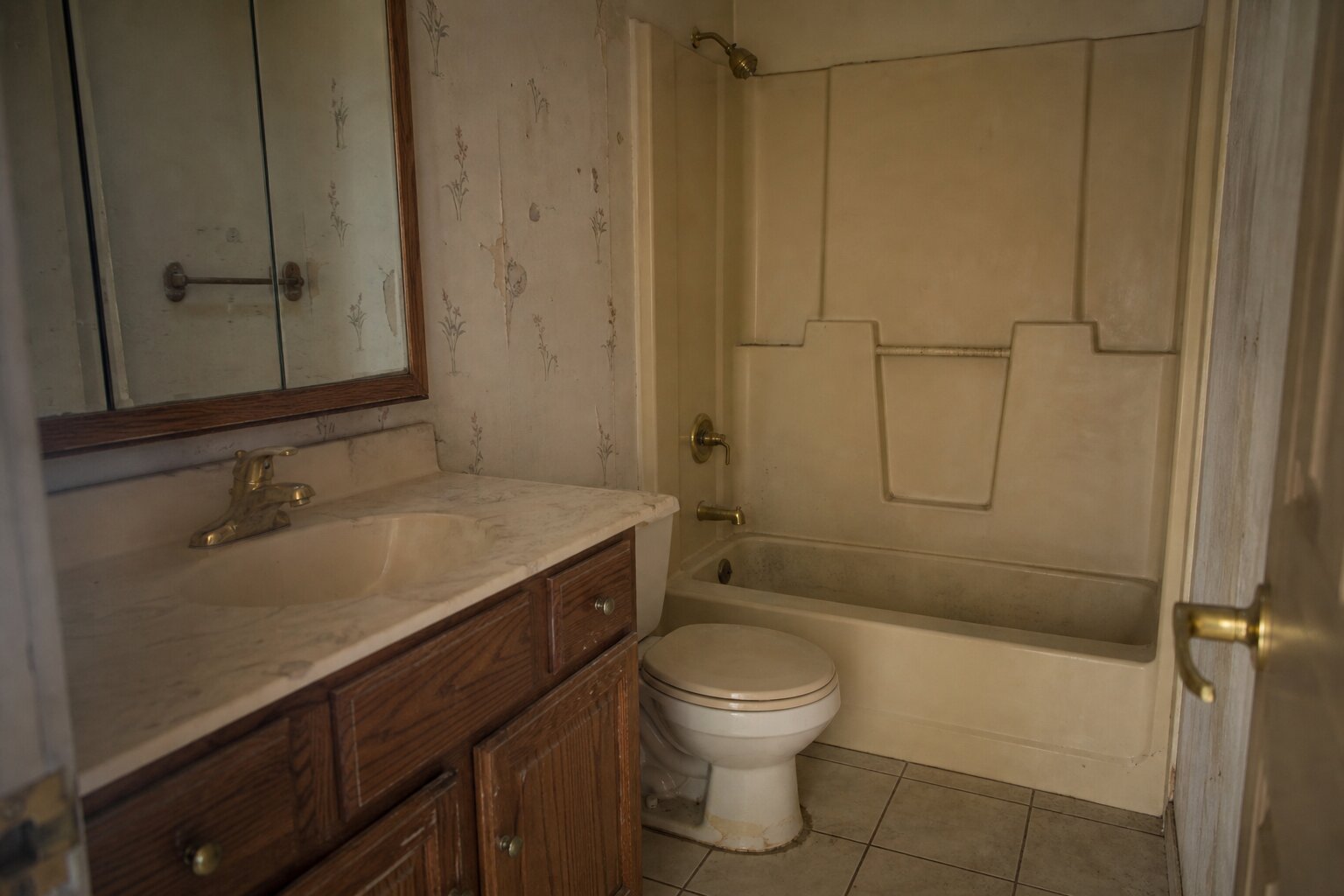
New flooring is one of the highest-impact updates you can make to a house, and one of the easiest to get wrong. The boards are the easy part. The job is really about what is under them — flattening the subfloor, fixing soft spots, and handling transitions so doors still swing and nothing squeaks or bounces. That prep is the difference between a floor that looks good for a year and one that stays right.
What we install
- Luxury vinyl plank (LVP) — the workhorse for coastal homes and rentals
- Laminate
- Tile — floors, entries, laundry rooms, bathrooms
- Hardwood and engineered hardwood
- Subfloor repair and leveling
The part most installers skip
Around here, soft or sagging spots in a floor usually trace back to moisture — a slow leak, bad ventilation in the crawlspace, or just age. Laying new flooring over a bad subfloor wastes your money. We open it up, fix the cause, replace the damaged sections, and then install the new floor. It takes a little longer. It is also the only way to do it once.
Common questions
What flooring holds up best in a beach house or rental?
LVP, in most cases. It is fully waterproof, handles sand and traffic, and looks far better than it did ten years ago. For rentals it is the practical answer. We will show you options at different price points.
Do I need to move my furniture?
We move furniture room to room as we work — that is part of the job. Fragile items, electronics, and anything in cabinets we ask you to handle ahead of time.
How long does it take?
A typical living area runs one to three days. Whole-house installs with subfloor work usually run about a week. We will give you a schedule when we measure.